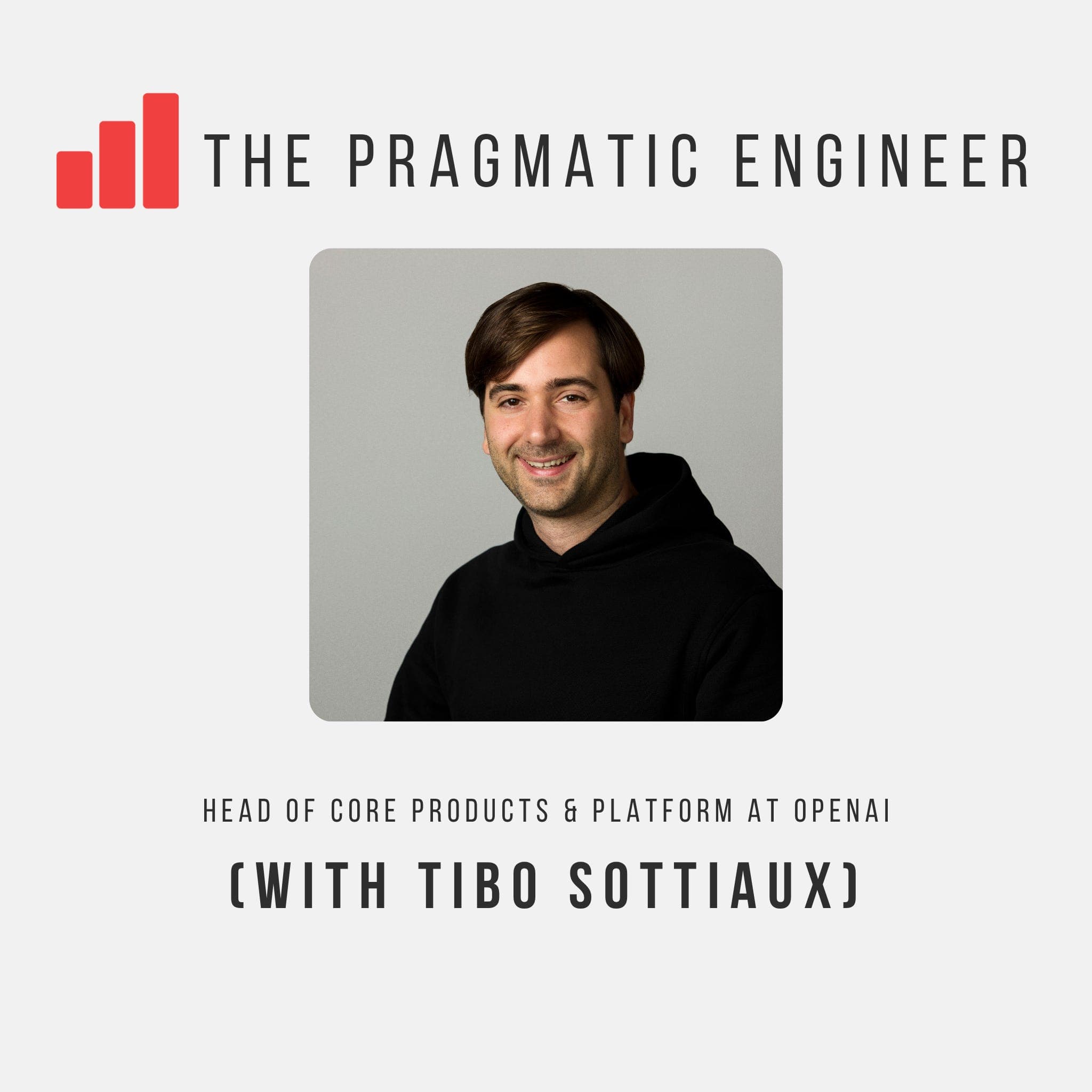
Tibo Sottiaux describes wanting to join a group where research and product were designed together and the relevant parameters were considered together.
支持这项说法
原始摘录
I wanted to join a group where all the parameters were considered together, where research and product were really co-designing.
Tibo Sottiaux describes principles centered on users, product coherence and the direction of model development. He cautions that a 10,000-line workaround for model flaws may mean the team is doing the wrong thing.
支持这项说法
原始摘录
care about the user, care about the coherence of the product, care about the models and where they're going. If you're doing something and you're building this 10,000 lines of code crutch to work around the model flaws, you're probably doing the wrong thing. So we have a set of principles, but it's just really So like a team culture and ethos at this point.
Tibo Sottiaux says OpenAI benchmarks code-review models for correctness and security. He describes mandatory checks that block pull-request merges when a security issue is flagged.
支持这项说法
原始摘录
When we benchmark them, it's like they're superhuman in code review. And this is not just true for correctness. This is also true for security, for example, where they're capable of reasoning across Very, very complex things. And then coming up with, hey, you have a critical security vulnerability here, which is now mandatory across all of OpenAI pull requests. We block pull requests from merging if we flag them with a security issue.
 nafyi.