ÖFFENTLICHE AUSGEDRÜCKTE MEINUNGEN

Ben Rudolph

Interview participant ·

1 Interviews · 3 geäußerte Meinungen · 1 Themen

Inhalt aktualisiert:

Übersetzungen dienen dem Leseverständnis; die Originalauszüge bleiben die Quellenevidence.

Standpunkte nach Thema

Zugeordnete Standpunkte, geordnet nach dem Interviewdatum. Ein Momentaufnahme dieser Gespräche, keine endgültige Aussage über die Überzeugungen einer Person.

Enterprise AI

Thema ansehen
Enterprise AI

Users can move from search to deeper analysis

Ben Rudolph says early AI use may look like improved search. As users become familiar with the product, they begin doing deeper analysis that had previously been impossible.

Stützende Belege

Originalauszug

As users get more used to the product and understand how it works, you start to see the floor get raised for everybody across the department, and you start seeing these really interesting, deep types of analysis that previously were just impossible.
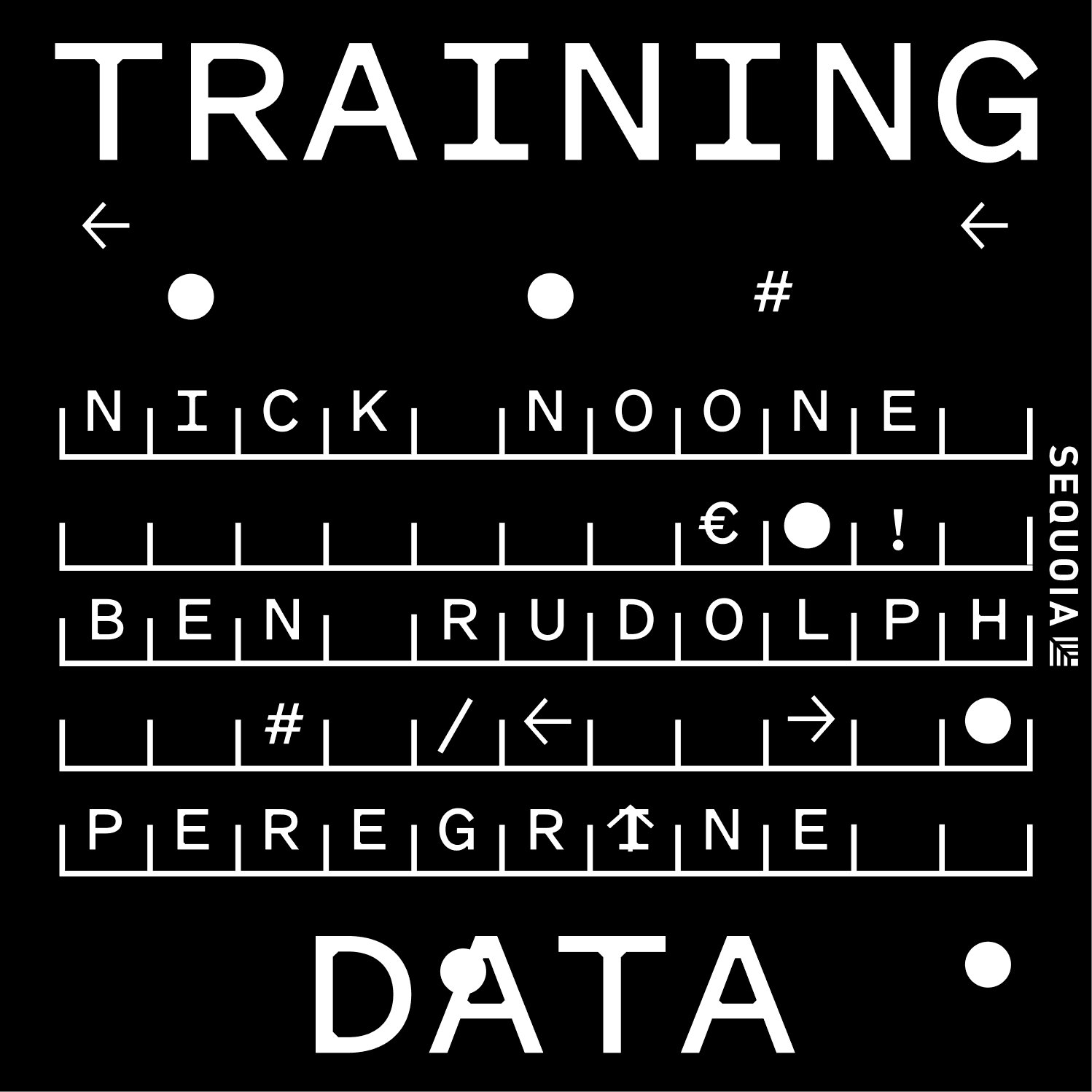
Making Cities Awesome: Peregrine’s Nick Noone & Ben Rudolph
Kontext

When you initially deploy this type of AI to these organizations, you often just get what I'd call nice search. Maybe you were looking for an address, and now you don't have to look at a bunch of rows — you see everything that happened at that address, in a nicely formatted way.

Die Startzeit stammt aus dem bereitgestellten Transkript. Die Synchronisierung der Wiedergabe steht noch zur Überprüfung an.

Die Episode öffnen und zu 23:29 springen.
Ben Rudolph
Erkenntnisse teilen
Enterprise AI

Agents helped uncover a reported rip-current pattern

Ben Rudolph describes how agents identified a three-day weather pattern linked to sand channels and rip currents — a finding that gave the agency something actionable to consider.

Stützende Belege

Originalauszug

And those rip currents cause a lot of issues for people who are in the water at that time.
Making Cities Awesome: Peregrine’s Nick Noone & Ben Rudolph
Kontext

So they started asking Peregrine, interrogating this question. And what they started to uncover — these weather patterns had happened before, but after a couple of iterations, and the agent doing some deep research, out came the pattern: these weather patterns had never occurred for three consecutive days. And those types of weather patterns create these sand channels, and those sand channels are the perfect conditions for rip currents. That is actionable for the agency — they can think deeply about that.

Die Startzeit stammt aus dem bereitgestellten Transkript. Die Synchronisierung der Wiedergabe steht noch zur Überprüfung an.

Die Episode öffnen und zu 24:48 springen.

Ben Rudolph
Erkenntnisse teilen
Enterprise AI

Accurate data remains essential as tools change

Ben Rudolph argues that accurate data remains essential for charts, agents, and future technologies. Peregrine’s core strategy, he says, continues regardless of changes in its tools.

Stützende Belege

Originalauszug

The same is true with agents, and the same will be true with the next technology.
Making Cities Awesome: Peregrine’s Nick Noone & Ben Rudolph
Kontext

So much of what Peregrine does and is, on the technology side, is emergent. Peregrine has been providing domain expertise — we deeply understand and empathize with law enforcement, fire departments, EMTs — and then we provide technology to enable them to achieve their most important missions. That technology can change over time, and that's the great thing about it. Most of it is downstream of really high-quality data: you can build charts, and that chart is completely useless if it's not accessing the right, accurate information. So I believe the core strategy of Peregrine has remained very unchanged in this new age of AI. We're just applying a new technology to see how it impacts our customers.

Die Startzeit stammt aus dem bereitgestellten Transkript. Die Synchronisierung der Wiedergabe steht noch zur Überprüfung an.

Die Episode öffnen und zu 29:43 springen.

Ben Rudolph
Erkenntnisse teilen

Aussagen nach Interviewdatum1

Die Aussagen sind nach dem ursprünglichen Veröffentlichungsdatum des Interviews geordnet. Unterschiedliche Formulierungen belegen keinen Positionswechsel.